Featured Review of "Winning"


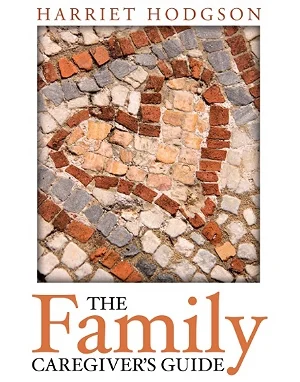
Of her own grief Harriet Hodgson opens Winning saying, “My emotions jumped around like crickets on a summer night.” She then proceeds masterfully to tell her tale, which will meet readers exactly where they are. Anyone who is experiencing grief will certainly find solace in the pages ofWinning. Harriet’s words are like a warm sweater hanging in the closet, there to put on when needed. This book is not, however, just for grieving readers. Winning has life lessons knit up in its pages useful for just about everyone, now in preparation for times to come when “life comes to a standstill.” Winning is reinforcing of relationships in general and the give and take that defines both life and love.Winning outlines the ways in which we all, at times, must wash our faces, pull up our socks, and press on. Harriet Hodgson becomes the gentle voice of a you-can-do-too cheerleader.

         Grief is born of loss. Often that loss is one of death. Most everyone who lives into adulthood will experience grief adherent to loss from death. There are other times we grieve,  however. We grieve before, during, and after relationship losses and job losses, losses of security, losses of hope, losses of expectation, and losses of physical and cognitive abilities. Often we don’t even know our emotions  are those of  grief. Consider how important it is to reach for this book before one  is fought in the depths of grief. It is a roadmap and preparation for a mountainous trek that might lie just around the corner. Indeed, from chapter to chapter, Winning begs to be in the hands of everyone. Friends and family of those who grieve will learn about the process and will see themselves positioned better to help. Medical students and health care providers, pastors, parents, counselors of all sorts can learn much in Winning they can use to validate and reassure. It is a window into a world many already inhabit with others soon to join.

         Harriet Hodgson does not insist in any way. She just lays her self-reflective experience at her readers’ feet. She doesn’t tell readers what is wrong with them, but suggests what is right. Oft we all hear, “Just breathe.” Well Harriet Hodgson in  Winning will tell how! How to divert one’s mind. How at once to cast and catch a life rope. Harriet puts words to very real concepts and her terminology then allows readers to think about and understand grief in constructive ways. The strengthening ideas she puts into her readers’ quivers include grief brain, girders, collective grief, five-minute vacations, anticipatory grief, linking objects, setbacks, backward thinking, and the need for “nothing days.” She is not preachy but humble. Readers who open her pages will discover triumphs and hurdles relatable and organically shared; wind is found for everyone’s sails.

Linda Pagnano, Esquire and bereaved daughter.

******

I met Harriet Hodgson at Charter House shortly after she and her husband had moved in. Charter House was where my mother had received loving care when she years ago met the challenges of and passed away from cancer. My father lived on for over a decade in this thriving senior living community. When I met Harriet that day, Dad was nearly fifteen years into his memory loss diagnosis and caring for him was, for me, a top priority requiring just exactly the “one-woman advocacy” Harriet describes in Winning. I immediately recognized attributes in Harriet to admire and model. In our few interactions that occurred before Covid-19 wreaked its havoc, I came to learn that Harriet was an author who’d written extensively on many subjects including caregiving and dementia. Of all the books I’d collected on these topics, Harriet’s became the ones I most treasured and kept front and center. I could open them to any page at any time and find some sort of encouraging take away. She became a constant companion in this way. When Covid-19 coupled with my father’s advanced illness left us only one loving answer of bringing him home to live out his last year, I created a comfort space on a couch tucked behind plants. I had there a cozy blanket and Harriet’s books, and many were the times I ducked into that place for the renewal of Harriet’s reassuring words. To be asked to write a review for Winning was both an honor and a  privilege.

Reader’s Guide for Winning: A Story of Grief and Renewal


Click the above image to access a printable version of this Reader’s Guide


Introduction

In 2007 four of Hodgson’s family members died: her elder daughter, father-in-law, brother (and only sibling), and twin grandchildren’s father. A week after her daughter died, Hodgson sat down at the computer and poured out her grief in words. When her husband died in 2020, she did the same thing and the result is Winning, a story filled with heart-wrenching stories, surprising humor, and hope for the future.

Purposes

This book has two purposes. One is to create a personal healing path. The other is to encourage you to believe in a future.

Theme

Hodgson states the theme of the book at the beginning, refers to it again in the narrative and reminds readers of it at the end. The theme: Death would be the loser; life would be the winner. Iwould make it so. This theme helped Hodgson survive grief, create a new life, and thrive. The last line of Winning says it all: “I have made it so and you can too.”

Grief Topics

Each chapter of Winning focuses on a different healing topic. True stories and research findings emphasize these topics. At the end, the reader has a toolbox filled with healing steps to use as she or he chooses. Here are the chapter titles and topics.

  1. Grief Face-to-Face (confronting grief)

  2. Grief Brain: How to You Lose an Egg

  3. Bumps, Jolts, and Kinds of Grief

  4. Only Person on the Planet: COVID Days

  5. Fixing Holes in My Support Hammock (support system)

  6. Caring for You, Caring for Me (caregiving)

  7. Renewal is an Inside Job (renewal steps)

  8. Breaking Out of the Grief Bubble (decision, steps)

  9. Making Good Things from Grief (creating a new life)

Topics for Discussion

  • What are some examples of your Grief Brain?

  • Loneliness is a powerful, hurtful emotion. How does the loneliness of grief make you feel?

  • Think of the ways COVID changed your life.

  • How can you improve and strengthen your support system?

  • What is your first step you need to take to escape from the grief bubble?

  • Think of four ways to make good things from grief.

About the Author

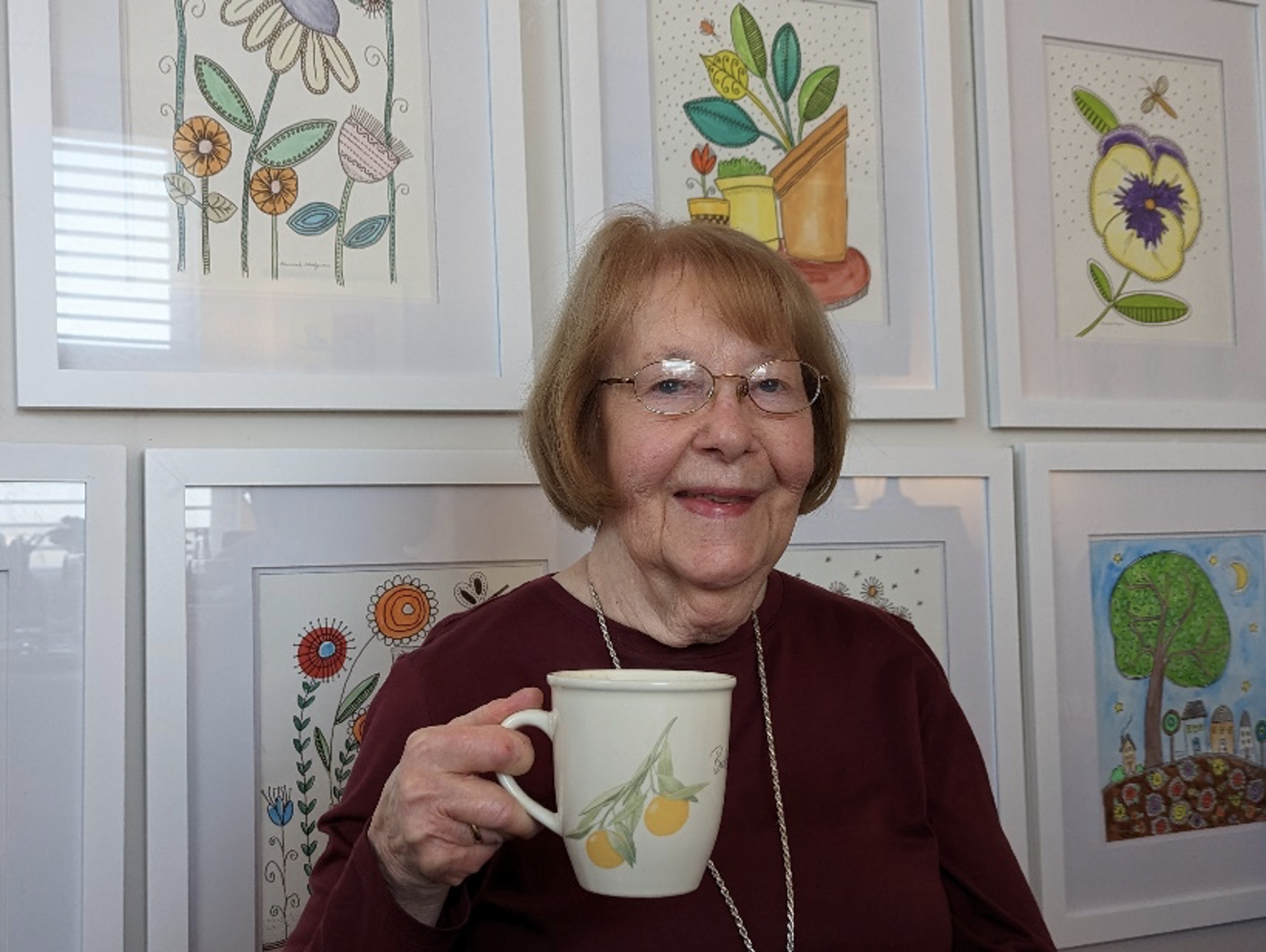
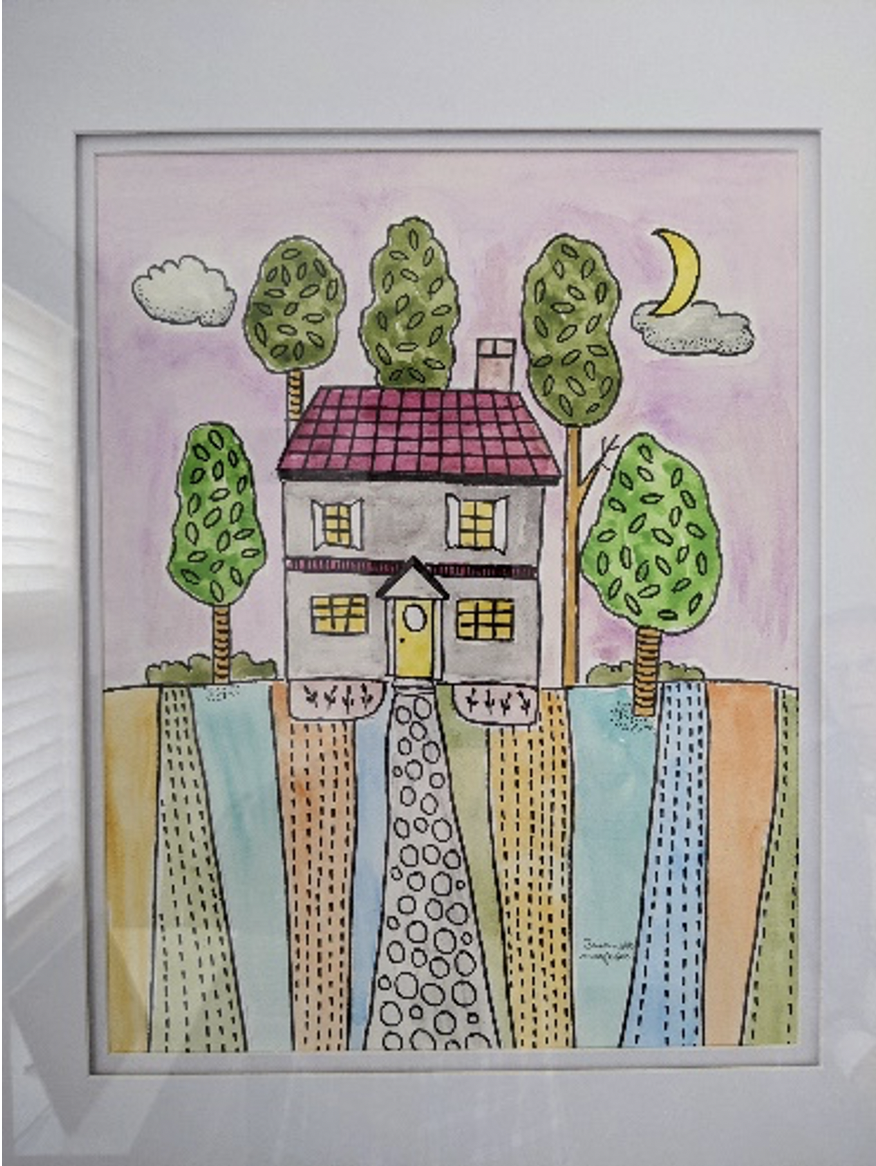
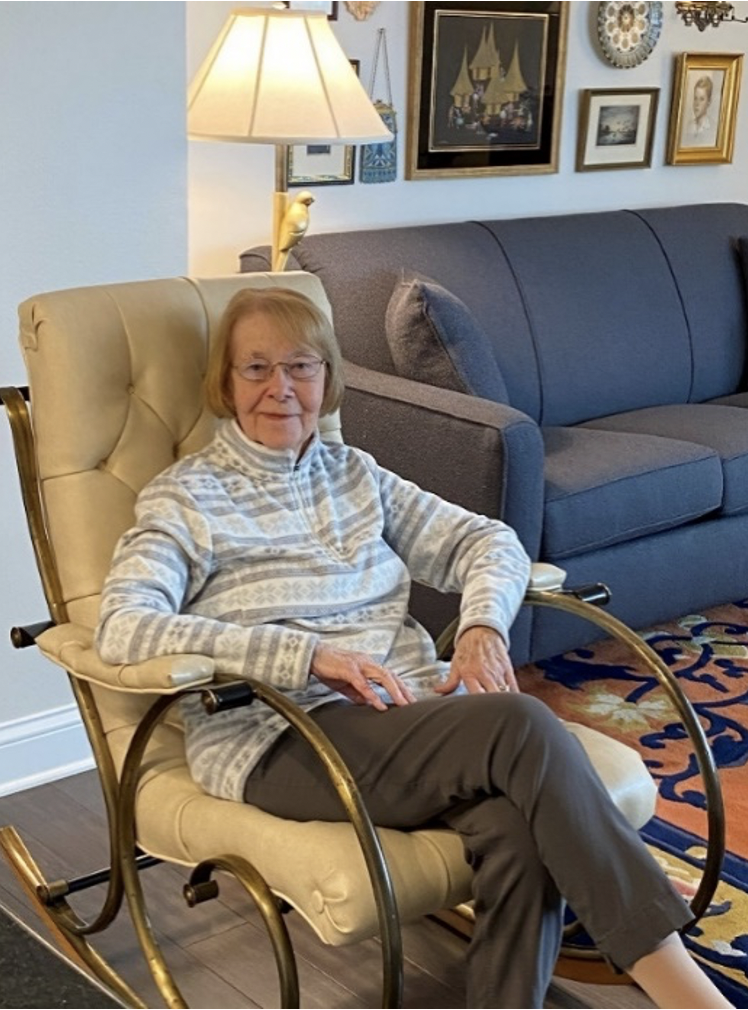
Harriet Hodgson has a BS in Early Childhood Education from Wheelock College of Education and Human Development at Boston University, an MA in Art Education from the University of Minnesota, and a certificate in art therapy coaching. After a dozen years in the classroom, Hodgson retired from teaching to pursue a freelance writing career. Today, she is the author of 44 books, including 11 grief healing resources. Winning is her 45th book. Please visit her website, www.harriethodgson.net, to learn more about this prolific author, speaker, grandmother, great grandmother, community volunteer, and doodle artist.

First Steps, First Snow Reading Guide


Purpose

  • The purpose of First Steps, First Snow is to increase children’s awareness of changing seasons, woodlands, and the nocturnal animals that live in them.

Before You Start Reading

  • Page through the book.

  • Note the questions to answer at the back.

While You are Reading

  • Point to all the night-time animals.

  • Look for details: lost mitten, dried ferns, children’s rosy cheeks, toys in bedroom.

  • Move your finger along the footsteps that are pictured.

  • Notice how the moon moves as the pictures progress.

  • Point to the trees and name them: pine, white birch.

Follow-Up Questions and Activities

  1. Have you ever stayed in a cabin?

  2. What do you think the inside of the cabin in the book looks like?

  3. Do you like walking in the woods? Why?

  4. What is your favorite picture?

  5. Do you have a favorite animal?

  6. Count the animals. How many are there?

  7. Draw a picture of a cabin. Does it have a chimney?

  8. Draw a picture of a tree. What do you like about trees?

  9. Draw a picture of your dog or a dog you would like to have.

  10.  Trace around some leaves and color them.

  11.  Find other books about forests and forest animals.

  12.  Learn more about the trees in your town.

  13.  Go to a park with your parents or grandparents and look at the trees.

  14.  Plant a small tree in a pot and care for it faithfully.

  15.  Take a photo of the same tree in spring, summer, autumn, and fall.

  16.  Write your own story about a family staying in a cabin.